Multidimensional Poverty Index (MPI)

Wise Responder brings the internationally recognized “Multidimensional Poverty Index” (MPI) methodology, developed by the Oxford Poverty and Human Development Initiative (OPHI), to financial institutions, investors, and businesses.

OPHI created the MPI methodology to measure multidimensional poverty. Traditionally, countries have defined poverty as a lack of money. However, those experiencing poverty view it much more broadly. A poor person can suffer multiple deprivations simultaneously. Focusing on a single factor, such as income, is insufficient to capture the true reality of poverty and its effects on those affected by it.

Multidimensional poverty measurements can be used to create a more comprehensive picture, revealing who is poor and how they are poor. The MPI methodology is used to construct the global MPI and has been adapted by various countries to create national MPIs. The global MPI is an international measure of acute multidimensional poverty covering over 100 developing countries. This measure was developed by OPHI with the UNDP in 2010 and has been published annually by OPHI and in Human Development Reports since then. National MPIs are developed and calculated locally by each country and can be tailored to the specific context and needs of the country.

For more information click here.

IPM Comunitario

En 2018 Fundación Agrolíbano realizó el primer Estudio de Índice de Pobreza Multidimensional (IPM) con una muestra de 575 hogares. En 2,026 se ha realizado nuevamente el estudio en 2,722 hogares en las 18 comunidades de cobertura basado en 5 dimensiones y 14 privaciones:

Education 20%

School Attendance and Childcare (6.67)
Years of Schooling (6.67) Illiteracy (6.67)

Health 20%

Access to a Health System (10)
Food Insecurity (10)

Housing and environment 20%

Access to Technology (5) Housing Materials (5) Overcrowding (5) Safety (5)

Access to Services 20%

Water (6.67)
Sanitation (6.67)
Energy (6.67)

Employment 20%

Unemployment (10)

NEET and Outside the Labor Force (10)
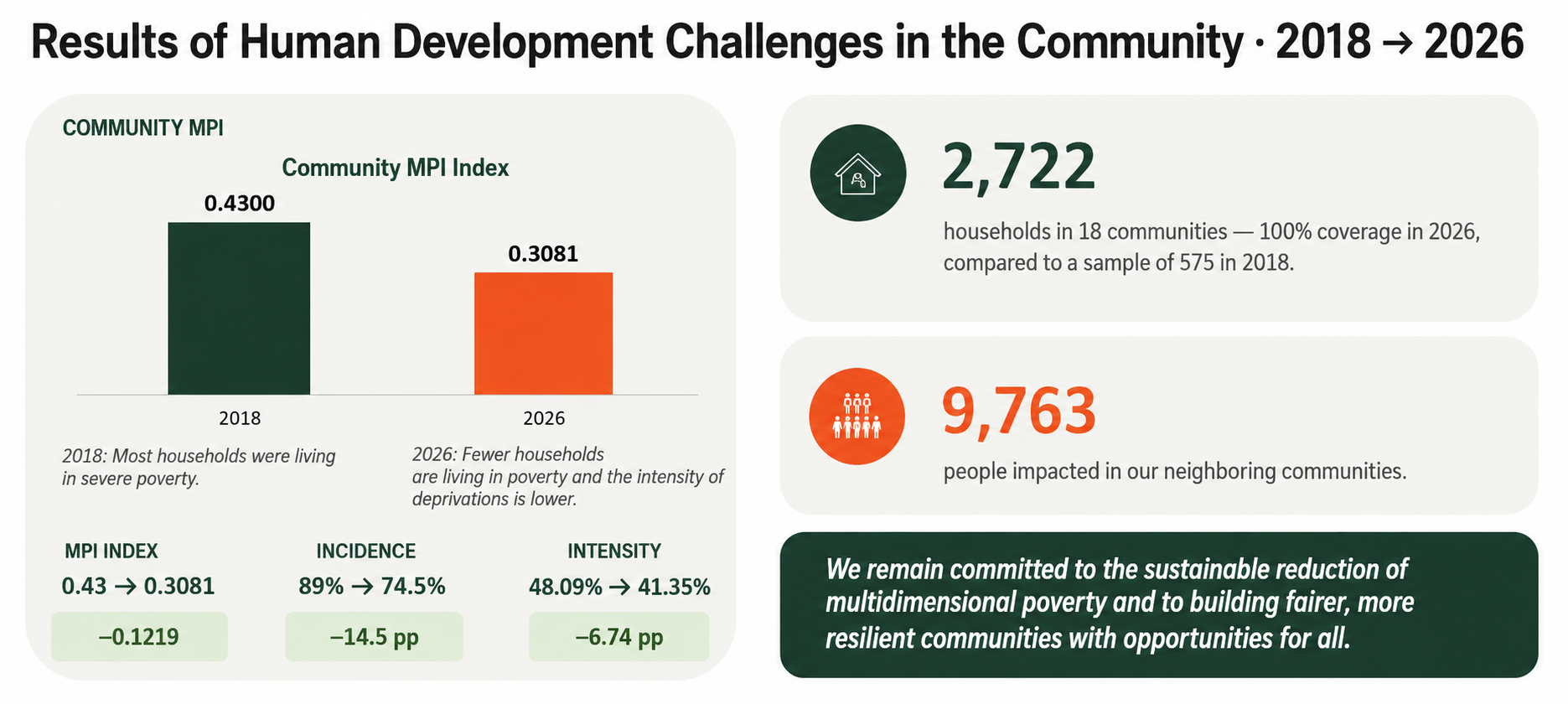
As a result, the community MPI decreased from 0.427 to 0.308 in 2026. Fewer households in poverty and a lower intensity of deprivations. In 2026, the Multidimensional Poverty Index is: 0.308

Understanding the challenges and in response to the population’s vulnerability, we designed the following programs:

Health

PAIPI- Early Childhood Care Program
FS- Healthy Families

Education

Together for Education
Education for All

Standard of Living

Conscious Leadership
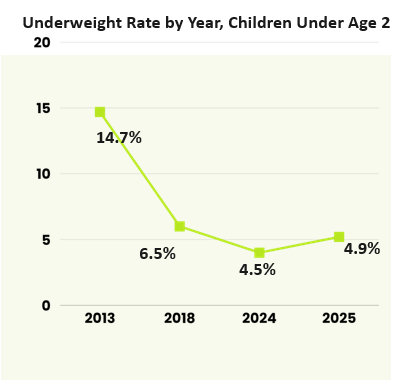
Through the actions implemented to date, we have reduced the global malnutrition rate from 14.7% in 2013 to 4.9% in 2025:

The PAIPI program helps reduce the deprivations of multidimensional poverty: child malnutrition, infant mortality, and lack of access to early education.

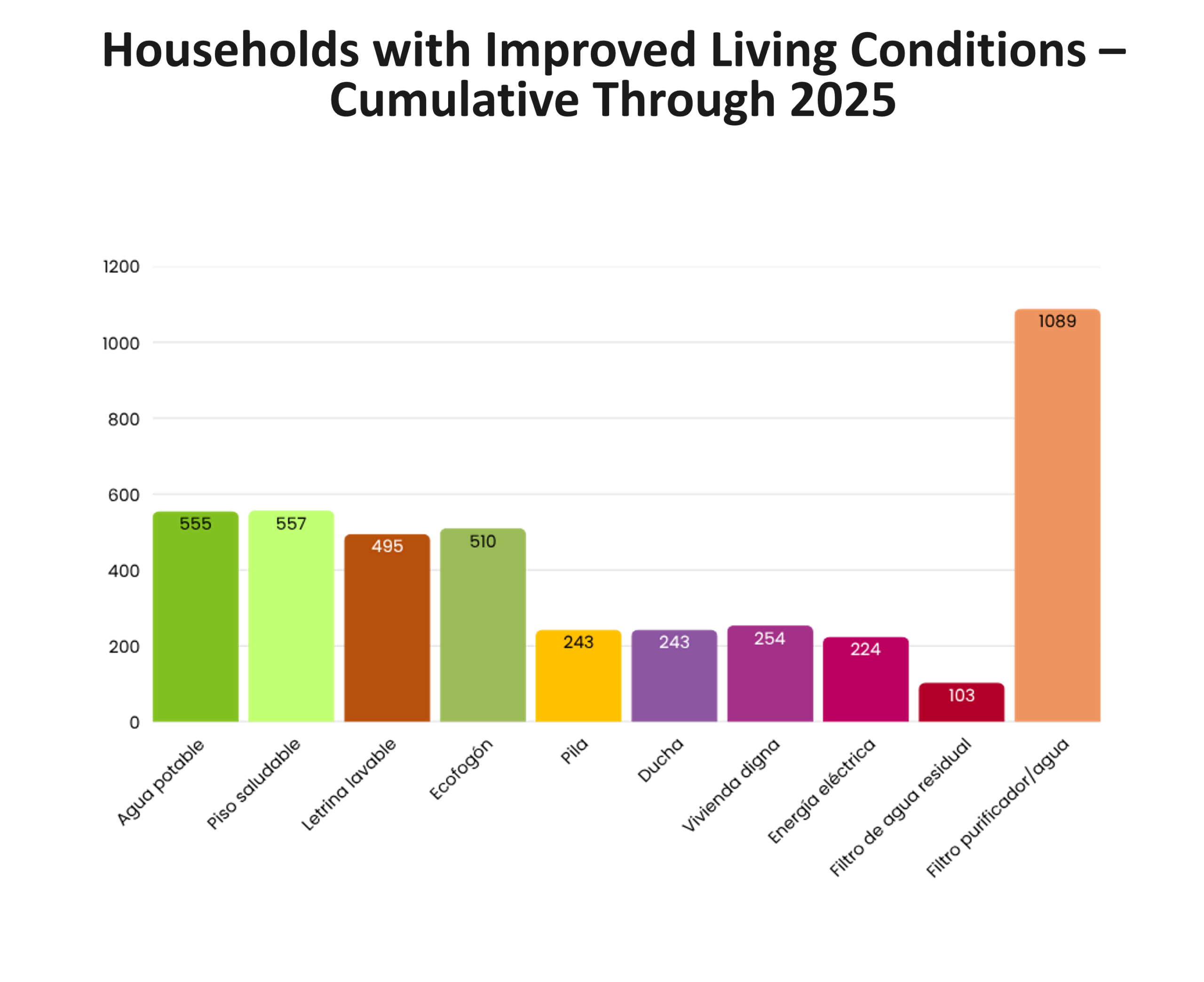
We have improved housing conditions in 1,835 households:

Healthy Family helps reduce the deprivations of multidimensional poverty by providing access to drinking water and basic sanitation, improved housing conditions, access to electricity, stoves with chimneys, and food and nutrition security.

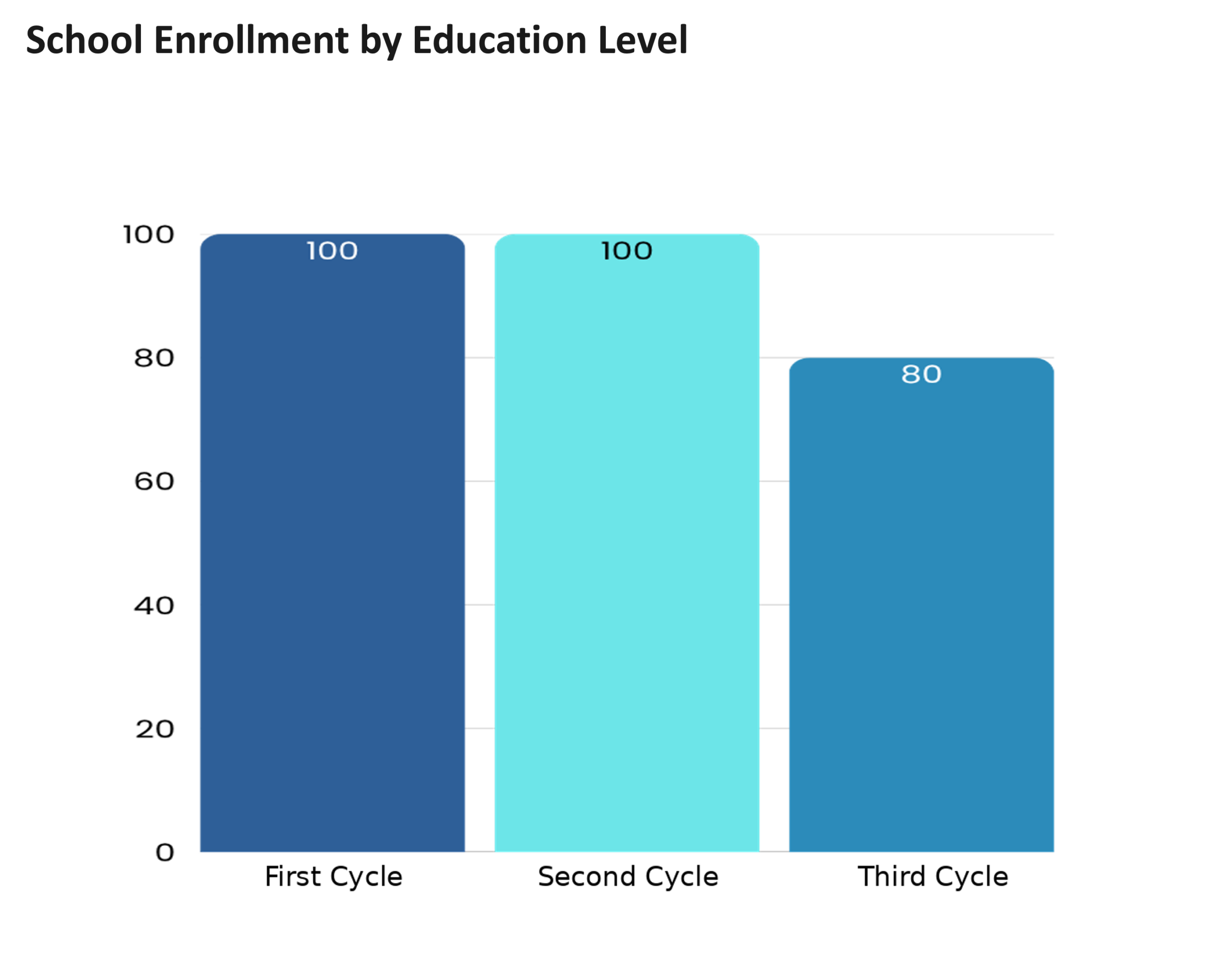
We have improved school enrollment in the first and second cycles of basic education:

The “Together for Education” program helps reduce the deprivations of multidimensional poverty by improving school enrollment and years of schooling.

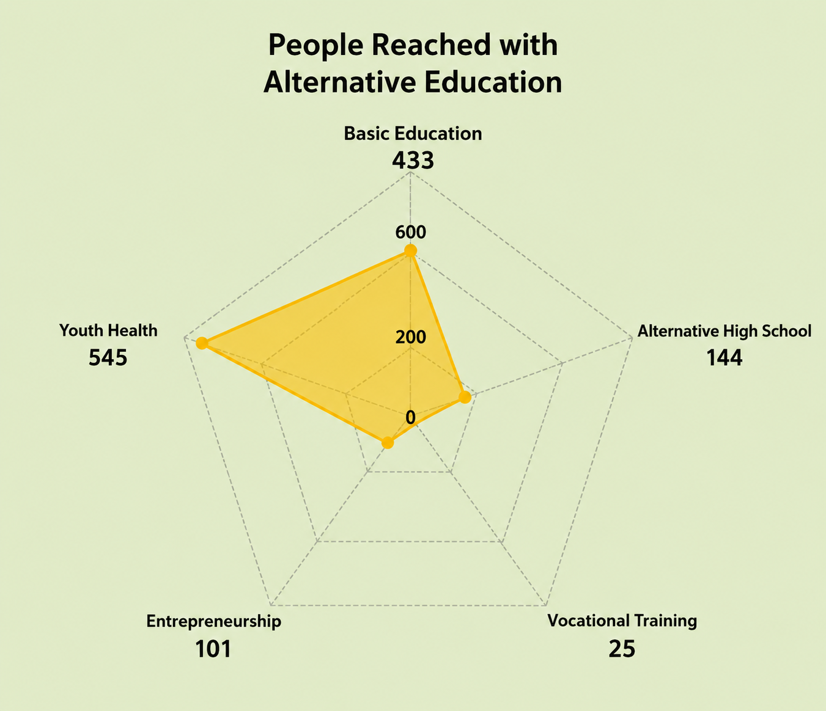
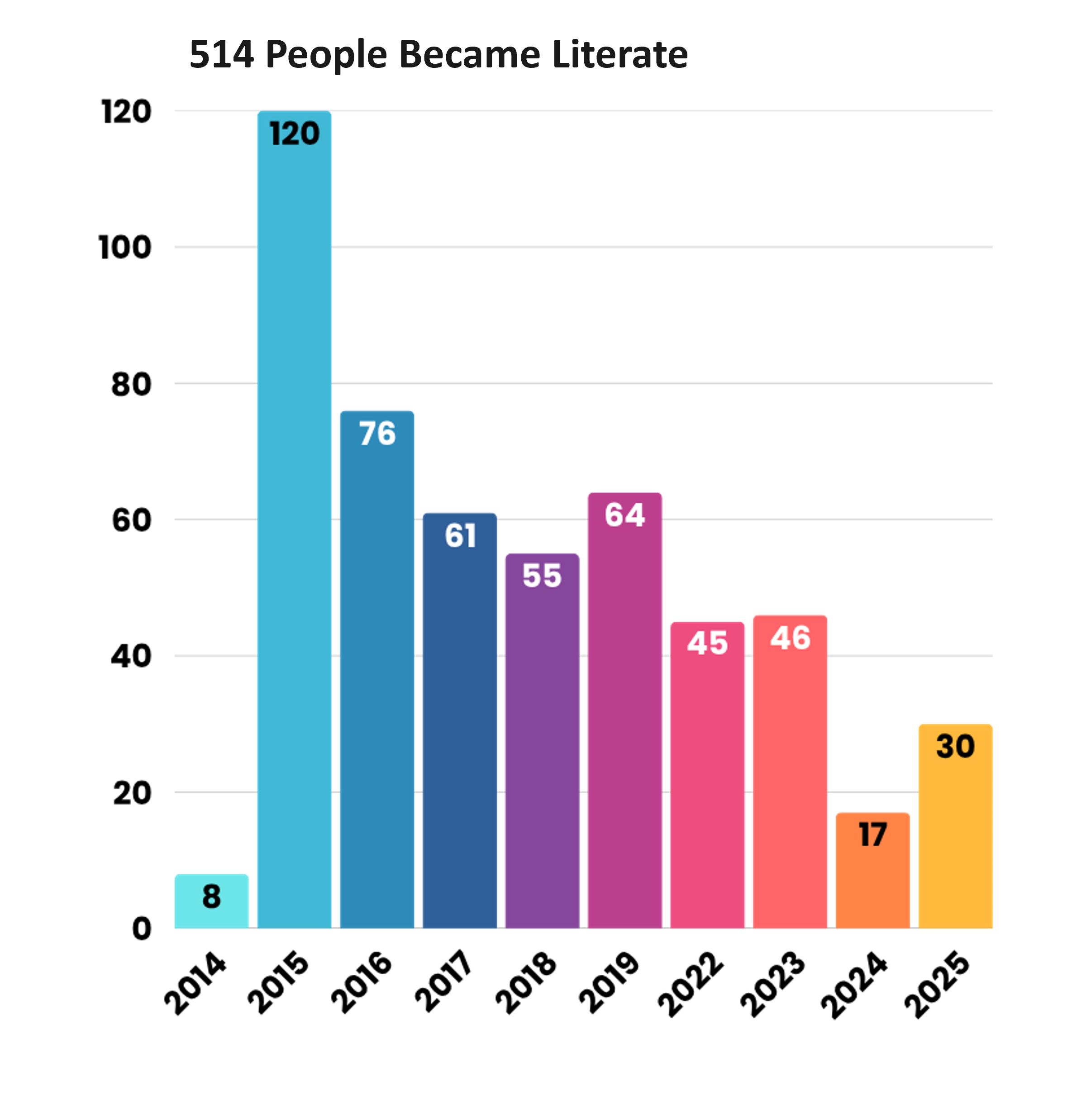
We have increased years of schooling through alternative education programs and reduced illiteracy:

The “Education for All” program helps reduce the deprivations of multidimensional poverty by addressing illiteracy and increasing years of schooling.

Hemos sentado las bases para el desarrollo de las capacidades organizativas y de liderazgo de las instancias comunitarias para la participación inclusiva y proactiva en la autogestión del desarrollo comunitario con base en una cultura de paz.

CRACS
Impactos FA 2025 (3)